The Neuroscience of Cravings: Why Willpower Is Biologically Destined to Fail
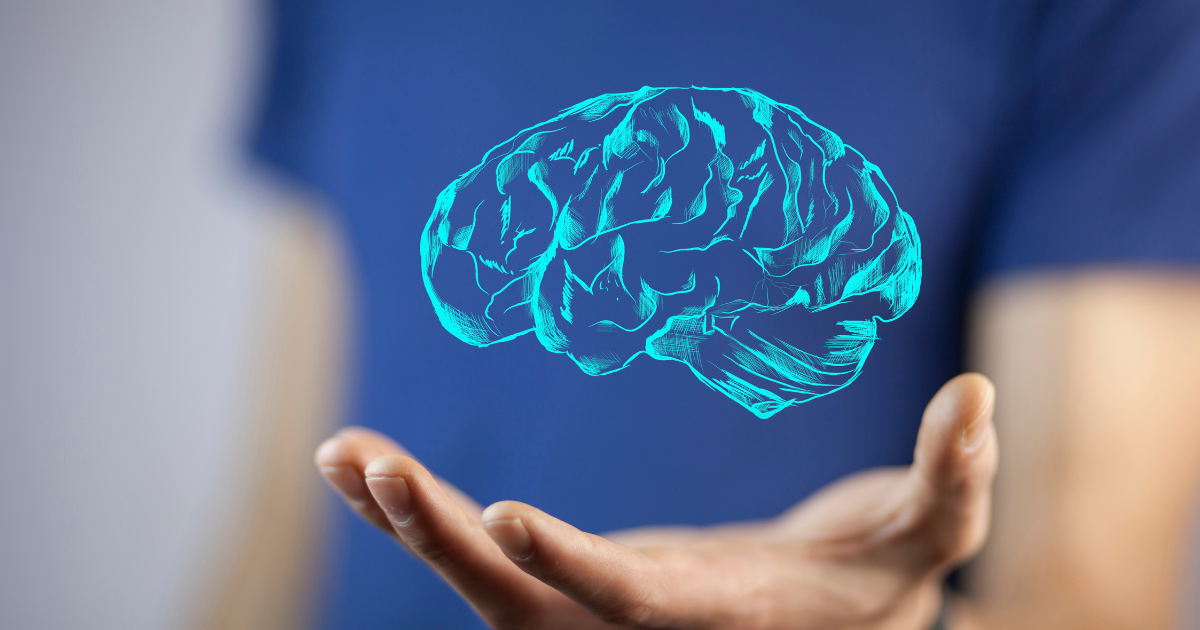
There is a prevalent myth in our culture that addiction is a “choice.”
We are taught that if we just wanted sobriety bad enough, we could achieve it. We are told that slipping up is a sign of moral weakness or a lack of discipline.
This narrative is scientifically incorrect.
If you are a high-functioning professional who manages a complex career, a family, and a busy schedule, you clearly possess discipline. You have willpower in every other area of your life. So why does it vanish at 5:00 PM when it comes to alcohol?
The answer lies in the specific neuroanatomy of the human brain. You are fighting a chemical war with biological tools that are ill-equipped for the job.
The Anatomy of a Craving: The CEO vs. The Survivor
To understand addiction, you must understand the conflict between two specific regions of the brain.
1. The Prefrontal Cortex (The CEO)
This is the evolutionarily newest part of your brain. It is responsible for:
- Executive function
- Future planning
- Impulse control
- Moral reasoning
This is the part of you that knows drinking is bad for your sleep. It is the part of you that makes the promise at 8:00 AM to stay sober.
2. The Midbrain / Amygdala (The Survivor)
This is the ancient, primitive part of the brain. It is responsible for:
- Survival instincts (Fight or Flight)
- Dopamine regulation (Reward seeking)
- Fear processing
In a healthy brain, the CEO (Prefrontal Cortex) can easily override the Survivor (Midbrain). You feel a hunger pang, but you decide to wait for dinner. You feel fear during a movie, but you know it isn’t real.
Alcohol Use Disorder flips this hierarchy.
The Phenomenon of Hypofrontality
Chronic alcohol use physically changes the structure of the brain. It weakens the connection between the Prefrontal Cortex and the Midbrain.
When you are triggered by stress, fatigue, or a visual cue (like a wine glass), the Midbrain screams for dopamine. In a normal brain, the Prefrontal Cortex would step in and say, “No, we have a meeting tomorrow.”
But in a brain affected by Grey Area Drinking, the Prefrontal Cortex goes offline. This is a state known as Hypofrontality.
This is why you can be absolutely committed to sobriety at 10:00 AM, but find yourself drinking on “autopilot” at 6:00 PM. It is not a moral failing. It is a neurological bypass. The logic center of your brain has literally been disconnected from the decision-making process.
The “Alcohol Deprivation Effect”
Most traditional advice tells you to “just stop” or “go cold turkey.”
While this works for some, for many it triggers a biological backlash known as the Alcohol Deprivation Effect.
Your brain always seeks Homeostasis (balance).
- When you drink regularly, your brain is flooded with dopamine.
- To balance this, your brain “down-regulates” its receptors. It becomes less sensitive.
- When you suddenly remove the alcohol, your brain panics. It is now starved of dopamine.
- In response, it up-regulates the receptors, making them hypersensitive to any cue of alcohol.
This means that when you try to quit using willpower alone, your brain actually screams louder for the drug. This is why cravings often peak after a few weeks of sobriety, leading to a relapse that is often heavier than the original drinking habit.
The Solution: Pharmacological Extinction
We cannot win this battle by simply “trying harder.” We need to engage the biology.
At Heal@Home, we utilize a protocol called The Sinclair Method (TSM). This approach uses an FDA and Health Canada approved medication called Naltrexone.
Naltrexone is an opioid antagonist. It binds to the opioid receptors in the brain.
The Mechanism of Action
- Preparation: You take the medication one hour before you plan to drink.
- The Trigger: You engage in your normal habit. You pour the glass of wine.
- The Interruption: You drink the alcohol. The alcohol reaches your brain.
- The Result: The Naltrexone blocks the endorphin release.
Your brain is expecting the massive “payoff” it usually gets from alcohol. But because the receptors are blocked, that payoff never comes.
You still feel the relaxation of the alcohol. You still taste it. But the addictive reinforcement loop is broken.
Pavlovian Extinction
If you repeat this process consistently, the Midbrain begins to relearn. It realizes: Alcohol does not equal Reward.
Slowly, the neural super-highway that demands alcohol begins to degrade. The cravings fade. The “autopilot” turns off. The Prefrontal Cortex comes back online.
The Heal@Home Program: Beyond the Pill
While Naltrexone addresses the biological craving, it does not erase the years of psychological habits you have built.
This is why Heal@Home is a comprehensive program, not just a prescription service.
Medicine creates the window of opportunity. Therapy does the work.
Our specialized therapy program helps you:
- Rebuild Coping Mechanisms: We teach you how to manage stress and anxiety without the chemical crutch of alcohol.
- Identify Triggers: We map out the specific cues (time of day, specific people, emotions) that activate your Midbrain.
- Restore Dopamine: We help you find healthy sources of pleasure to replace the artificial high of drinking.
You do not have to fight your own biology. Science has given us a better way.
Ready to reclaim your brain?
Our team of Canadian physicians and therapists is ready to guide you through this process.